
The allure of risk and reward
The psychology of gambling is deeply intertwined with the concepts of risk and reward. Many individuals are drawn to casinos by the thrill of potential financial gain, which can be exhilarating. This allure is often amplified by the design of the casino environment, featuring bright lights, vibrant colors, and sounds that evoke excitement. These sensory stimuli help to create an atmosphere where players may seek opportunities like $20 neosurf casino australia real money that encourages spontaneous decisions, where the potential for instant rewards can cloud rational judgment.
Moreover, the brain’s reward system plays a crucial role in gambling behavior. When players win, their brains release dopamine, a neurotransmitter associated with pleasure and reinforcement. This biological response creates a cycle of desire; players often chase the euphoric feelings associated with wins, sometimes overlooking the odds stacked against them. This chase can lead to problematic gambling patterns as individuals may gamble more than they can afford in hopes of recapturing that rush.
Additionally, cognitive biases contribute significantly to the psychology of gambling. Many gamblers fall prey to the illusion of control, where they believe they can influence the outcome of a game, despite the inherent randomness involved. This mindset can lead to overconfidence and increased gambling, as individuals feel a sense of empowerment over what is largely left to chance. Understanding the emotional appeal tied to risk and reward can provide insights into why gambling is such an enticing activity for many.
The role of environment in gambling behavior
The environment of a casino is meticulously crafted to facilitate prolonged engagement and spending. From the layout of gaming tables to the strategic placement of slot machines, every aspect is designed to create a sense of comfort and excitement. For instance, casinos often lack windows and clocks, removing the natural cues of time and eliminating distractions that may prompt players to leave. This encourages individuals to lose track of time and continue gambling longer than intended.
In addition to the physical layout, the atmosphere of a casino is enhanced by music that can either increase energy levels or create a calming backdrop depending on the intended effect. Soundscapes are designed to enhance the gambling experience, with the celebratory sounds of winning machines encouraging players to keep trying their luck. The overall ambiance cultivates a sense of community among gamblers, fostering social interactions that can further enhance the experience and encourage repeat visits.

Furthermore, colors and lighting in casinos can influence decision-making and mood. Bright, vivid colors attract attention and stimulate excitement, while softer hues may encourage relaxation. This manipulation of environmental factors plays a significant role in how individuals perceive their chances of winning and impacts their overall engagement with the games offered. The combination of these psychological and environmental factors underscores the complexity of gambling behavior in casino settings.
Gambling as a form of escapism
For many people, gambling serves as a means of escaping from the stresses of daily life. The immersive casino environment allows individuals to momentarily detach from their responsibilities and challenges, providing an opportunity to indulge in fantasy and thrill. This escape can be especially appealing to those facing personal struggles, as the excitement of gambling offers a temporary respite from reality. The notion of winning also speaks to the desire for a better life, driving individuals to seek out these experiences.
This escape is often reinforced by social factors, as casinos are social hubs where people can connect with others. Gamblers may find solace in the shared experience of playing games together, fostering camaraderie that further entices them to return. Social gambling can strengthen bonds among friends and family, but it can also mask underlying issues, such as addiction or financial insecurity, as individuals prioritize the escape over their well-being.
Moreover, the fantasy aspect of gambling—where individuals envision themselves as winners—can lead to unrealistic expectations and subsequent disappointment. When the reality of losing sets in, some may double down, believing that a change in luck is imminent. This cycle of escapism can result in a precarious balance, where the desire to escape becomes a driving force behind detrimental gambling behaviors. Understanding this aspect of gambling psychology is essential for recognizing potential risks and developing healthier coping mechanisms.
The impact of addiction and behavior patterns
Addiction is a significant concern within the realm of gambling, often stemming from the very psychological processes that make it enticing. For some individuals, what begins as a casual engagement with gambling can escalate into a compulsive behavior that disrupts their lives. Gambling addiction is characterized by an inability to control urges, leading to consequences in financial planning, relationships, and overall mental health. Recognizing the early signs of problematic gambling behavior is critical for intervention and recovery.
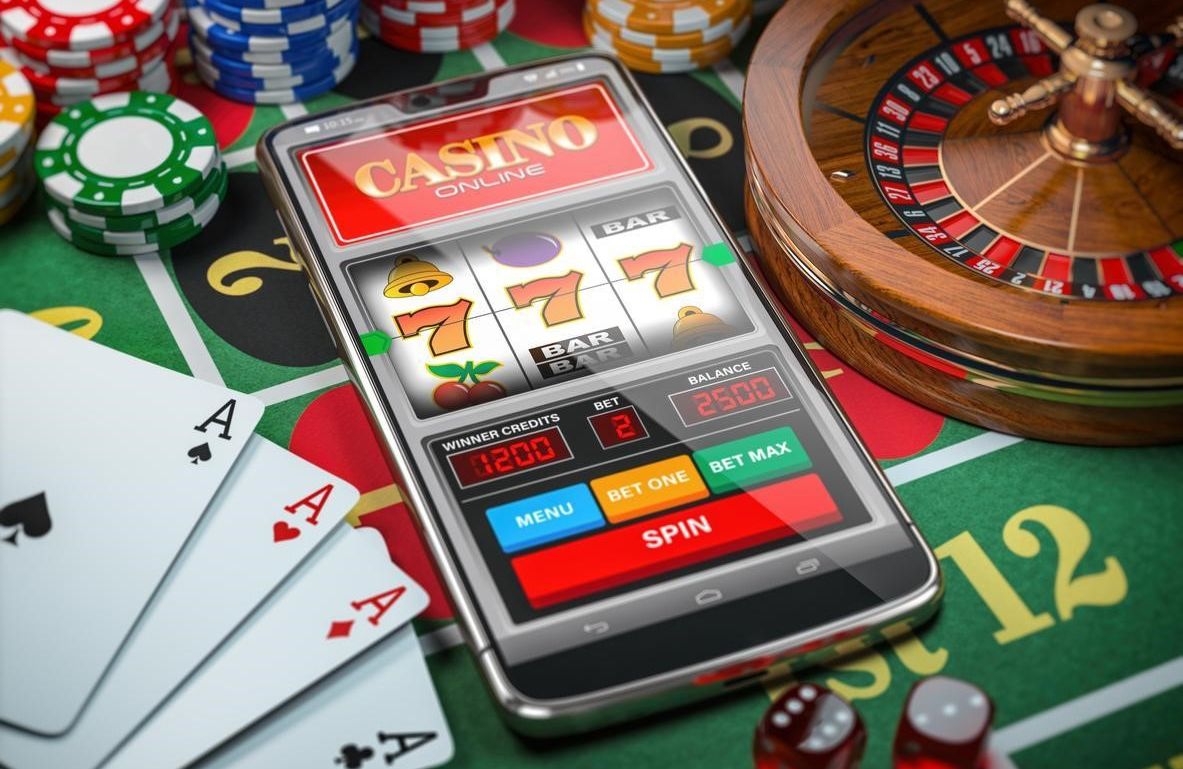
Behavioral patterns associated with gambling addiction include chasing losses, where individuals gamble more in an attempt to recover previous losses. This cycle can be incredibly damaging, as it can lead to spiraling debts and emotional distress. Additionally, an increased tolerance can develop, where individuals require larger bets or more frequent gambling sessions to achieve the same level of excitement. These behaviors highlight the need for awareness and education on responsible gambling practices.
Support and treatment options for gambling addiction are available, ranging from counseling and support groups to self-exclusion programs. Understanding the psychological factors that contribute to addiction can empower individuals to seek help and address their gambling behaviors constructively. By fostering an environment that promotes awareness and vulnerability, the stigma surrounding gambling addiction can be diminished, encouraging more individuals to seek the support they need without judgment.
Resources and support for responsible gambling
While gambling can be an entertaining pastime, it is essential to engage in it responsibly. Various organizations and resources are dedicated to promoting responsible gambling and assisting those who may be struggling with their gambling behaviors. Many casinos have implemented programs to educate their patrons on the risks associated with gambling, providing tools and resources to help individuals make informed decisions while gaming.
Additionally, helplines and support groups are available for those who need assistance or someone to speak to regarding their gambling habits. These resources can offer guidance on managing financial concerns, coping strategies, and emotional support. Engaging with these resources can empower individuals to set limits, recognize the signs of problematic gambling, and build healthier habits surrounding entertainment.
Online platforms also play a significant role in the promotion of responsible gambling practices. Many websites provide information, tools, and forums for individuals to share their experiences and learn from one another. By fostering an open conversation about gambling habits and the importance of responsible play, these platforms contribute to a healthier gambling culture overall. Whether it’s through direct support or educational resources, fostering responsible gambling behavior remains crucial to the well-being of individuals and communities alike.